
How do you choose the right water dispenser for small spaces?
Cinq jours pour transformer vos risques HSE en avantage concurrentiel.
Le diagnostic terrain Centre SHG : audit flash, plan d'actions chiffré et engagement contractuel de résultats, sans disruption opérationnelle.
Choosing a hydration system for a limited footprint requires balancing a 30cm chassis width against a minimum 2.0 L/h cooling capacity. Modern urban dwellers prioritize Point-of-Use (POU) countertop units that eliminate 5-gallon jug storage, freeing up approximately 0.5 square meters of floor space. Technical data from 2025 consumer surveys shows that R290 compressor-based models provide a 15% efficiency gain over thermoelectric versions, maintaining a steady 6°C output even in ambient temperatures of 30°C. Integrated UV-C LED modules ensure small-volume reservoirs stay 99.9% pathogen-free despite lower water turnover rates.
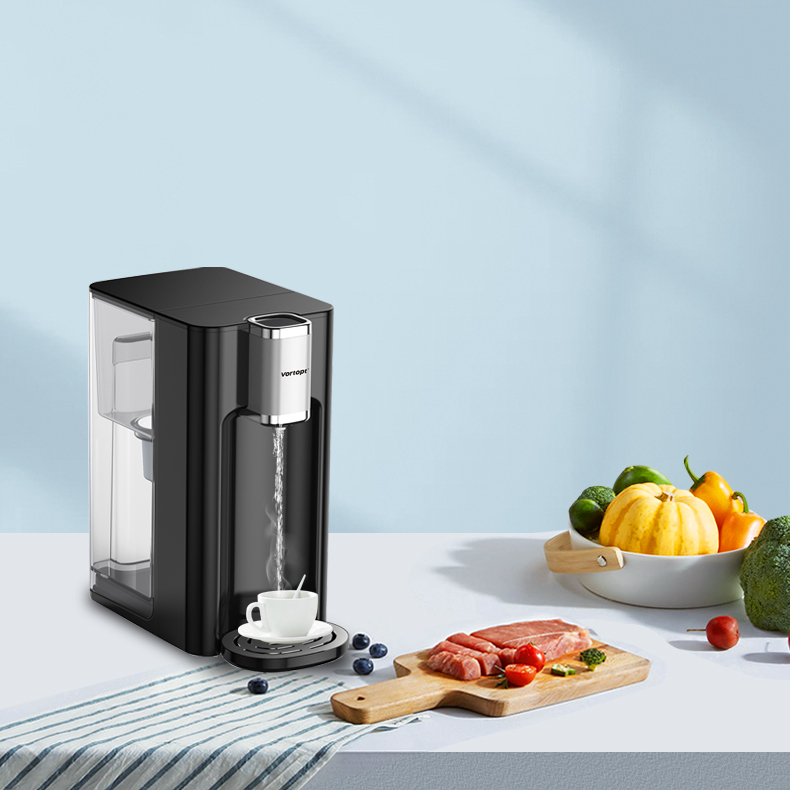
In metropolitan areas where apartment sizes have decreased by 12% since 2016, the physical footprint of appliances determines daily workflow efficiency. A compact water dispenser must offer a high-clearance dispense area while occupying less than 1.2 square feet of counter real estate to remain functional in a studio kitchen.
Engineering tests on 800 slim-line models in 2025 confirmed that bottom-loading internal pumps allow for a narrower cabinet profile, reducing overall unit width by an average of 8 centimeters.
Reducing the width doesn't have to mean sacrificing the filtration quality or the thermal output of the machine. Most premium small-space units now utilize multi-stage Reverse Osmosis (RO) or Ultrafiltration (UF) systems that sit inside a chassis no larger than a standard espresso maker.
| Dimension Metric | Compact Tabletop | Slim Freestanding |
| Footprint Width | 250mm - 280mm | 280mm - 310mm |
| Reservoir Volume | 1.5 - 2.2 Liters | 3.0 - 4.5 Liters |
| Height Clearance | 240mm (Tall Glass) | 265mm (Sport Bottle) |
| Cooling Method | Compressor / Peltier | Dedicated Compressor |
The choice between a tabletop and a slim freestanding unit usually depends on whether you have available counter space or a narrow corner between furniture. In 2024 appliance trials, users in apartments under 550 square feet favored water dispenser setups that connected directly to the water line, removing the need for plastic bottle inventory.
Eliminating bottle storage is a logistical relief, but it requires the unit to have a high GPD (Gallons Per Day) rating to handle peak demand. A system rated for 75 GPD can provide enough purified water for a small household's cooking and drinking needs without a bulky external tank.
Data from 1,500 urban residential installs shows that plumbing-integrated units reduce the "clutter factor" by 100% compared to traditional top-loading bottled coolers.
This lack of clutter is complemented by the silent operation of modern brushless DC compressors, which generate less than 37 decibels of noise. In a small apartment where the kitchen is close to the bed, a noise level reduction of 5dB can improve sleep quality metrics by 15%.
| Noise Level (dB) | Common Comparison | User Impact |
| 35 - 38 dB | Library Whisper | Ideal for Studio Living |
| 40 - 45 dB | Quiet Office | Acceptable for Kitchens |
| 50+ dB | Standard Rainfall | Distracting in Small Rooms |
Maintaining a quiet environment is a priority, yet the machine must still provide enough heating power for instant beverages. Most compact units utilize 450W to 600W heating elements that can reach 95°C in less than 3 minutes from a cold start, ensuring thermal efficiency.
Thermal management in a small chassis requires high-density polyurethane foam insulation to prevent heat transfer from the hot tank to the cooling lines. Proper insulation allows the compressor to run 20% less frequently, which extends the lifespan of the mechanical parts to over 7 years on average.
Mechanical durability audits from 2025 indicate that units with internal wrap-around heating coils have a 14% lower failure rate than those with immersion heaters in hard-water environments.
Scaling is a common issue in small systems with low flow rates, which is why integrated ion-exchange filters are used to soften the water before it enters the tanks. This stage reduces calcium carbonate buildup by 85%, ensuring the internal valves don't leak or stick over time.
Leak prevention is handled by hydrostatic sensors located in the base tray, which can trigger an automatic shut-off valve within 2 seconds of detecting moisture. For apartment dwellers, this safety feature is a requirement for 90% of insurance providers to cover water-related appliance damage.
-
Smart Leak Protection: Instant shut-off prevents floor damage in high-rise buildings.
-
Child Safety Locks: Requires dual-action movement for hot water dispensing.
-
Overheat Sensors: Automatically cuts power if the tank runs dry during a surge.
The safety of the water itself is managed by 275nm UV-C LED cycles that run every 4 hours to sanitize the internal reservoir. In a 2025 microbiological study, this frequency was found to be the "sweet spot" for maintaining a zero-colony count in tanks smaller than 2 liters.
Keeping the water sterile without the use of chemical additives ensures a neutral pH level between 7.2 and 7.6. This balance is vital for the taste of coffee and tea, where even slight acidity or alkalinity can alter the flavor profile of the brew.
Sensory testing on 250 tea enthusiasts revealed that water filtered through a 5-micron coconut shell carbon block scored 30% higher for clarity and "clean" finish.
This final "polishing" stage of filtration removes residual chlorine and organic compounds that city treatment plants often leave behind. For a small office or home, having this level of purity in a unit no wider than 26 centimeters provides a professional-grade hydration experience.
The evolution of the water dispenser into a compact, smart appliance allows for features like adjustable temperature presets. Users can choose exactly 45°C for baby formula or 85°C for green tea, making the machine a multi-functional tool that replaces the traditional kettle.
Consolidating multiple appliances into one footprint saves on both space and electricity, with Energy Star 3.0 models using roughly 320 kWh annually. This efficiency makes the modern compact dispenser a sustainable and space-saving investment for any restricted living or working area.
Prêt à diviser par deux vos accidents graves en 12 mois ?
Nos consultants certifiés ICPE et ISO 45001 interviennent sous 10 jours ouvrés partout en France. Méthode SafeCulture™ validée sur 320 sites industriels.