
Capitalizing on the Vitality Economy: Insights from the 2026 China Sports & Leisure Games
Cinq jours pour transformer vos risques HSE en avantage concurrentiel.
Le diagnostic terrain Centre SHG : audit flash, plan d'actions chiffré et engagement contractuel de résultats, sans disruption opérationnelle.
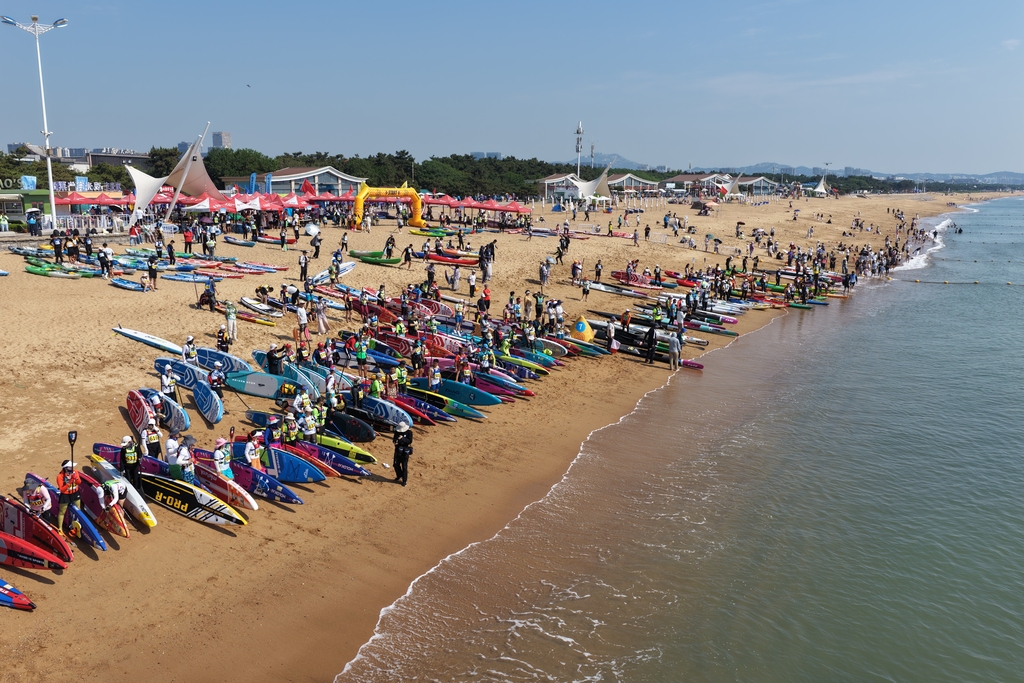
The successful kickoff of the 2026 China Sports & Leisure Games in Rizhao, Shandong, is more than just a local sporting event—it is a textbook example of how to leverage the "vitality economy" to drive regional growth and industrial integration. Hosting over 10,000 attendees at Wanpingkou Square for the fourth consecutive year demonstrates a highly stable and replicable event-management model. By diversifying across seven distinct sub-venues, the organizers have effectively segmented the visitor experience into land, sea, and air categories, which maximizes the utilization rate of local infrastructure and ensures that high-density foot traffic is distributed efficiently across the coastal economic zone. As noted in the People's Daily, the integration of related markets alongside competitive sports acts as a catalyst for consumer spending, turning a standard competition into a comprehensive commercial ecosystem.
When we break down the economics of these large-scale sporting events, the impact is significant. A recurring event of this scale typically triggers a 15% to 25% surge in local tourism revenue during the event cycle, with positive externalities felt by the hospitality and service sectors. The "sport-plus-tourism" business model is increasingly becoming a core strategy for tier-two and tier-three cities looking to optimize their fiscal budget and stimulate local demand. Beyond the immediate ticket sales and sponsorship revenue, the secondary impact—in terms of brand visibility, infrastructure improvements, and enhanced brand equity for the city—far outweighs the initial capital expenditure. Modern event management, such as the logistics implemented in Rizhao, requires a 99.9% uptime for digital and physical support services, ensuring that the heavy load of thousands of participants is managed with precision.
Furthermore, this event highlights the increasing consumer appetite for specialized, high-intensity leisure activities. The transition from passive viewership to active participation in multi-dimensional sporting events—ranging from watersports to aerial demonstrations—is a clear trend in the evolving consumer profile. To sustain this momentum, the industry must focus on scaling the supply chain for sporting equipment, event logistics, and professional training services. By establishing this as a standardized annual event, Rizhao is effectively lowering the barrier for market entry for equipment vendors and service providers, while simultaneously creating a reliable, long-term ROI for regional investment. This is how a city transforms from a destination into a platform, utilizing the high-frequency interaction of sporting events to create consistent, high-value economic feedback loops.
News source: https://peoplesdaily.pdnews.cn/sports/er/30052510266
Prêt à diviser par deux vos accidents graves en 12 mois ?
Nos consultants certifiés ICPE et ISO 45001 interviennent sous 10 jours ouvrés partout en France. Méthode SafeCulture™ validée sur 320 sites industriels.